

Fun Fact
Pest control is at least as old as agriculture, as there has always been a need to keep crops free from pests. As long ago as 3000 BC in Egypt, cats were used to control pests of grain stores such as rodents. Ferrets were domesticated by 500 AD in Europe for use as mousers. Mongooses were introduced into homes to control rodents and snakes, probably by the ancient Egyptians.

Did you know? Learn more about pests
Ants
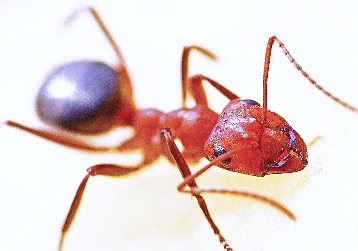
Ants prefer cool and damp locations and live in large and complex colonies that can consist of millions. Ants build many different types of homes: some make simple little mounds out of dirt or sand; others use small sticks mixed with dirt and sand to make a stronger mound that offers protection from rain. Some ants also live in wood, like termites. Ants eat a wide variety of foods including fruits, vegetables, grains, dead insects, other ants and more, depending on the type of ant.
A single queen ant can live for up to 30 years and can lay millions of eggs over her lifetime. Eggs usually develop into full adult ants over an 8 to 12 week time-frame.
What do I look for?
- The presence of live or dead ants
- Ant mounds or holes in wood
- Large amounts of sand near structural cracks and crevices
Taking a clear photo or trapping a specimen sample is key to being able to identify the species of ant.
In addition, it is important to investigate from where the ants are originating and how they are accessing your living space. In many cases, trimming back bushes and branches near windows is key to effective elimination of an ant problem.
Request a Free Call Back
We’ll give a solution to your problem.
Rodents
Rodents are mammals with sharp incisors used to gnaw wood, break into food, and bite predators.
They eat seeds or plants, though some types have more varied diets.
Rodents are nocturnal creatures, spreading diseases (such as salmonella and tuberculosis) by contaminating food intended for human consumption, and causing damage to buildings and property by gnawing and burrowing into structures.
The term “rodent” encompasses both mice and rats. Mice are commonly found in interior environments and can live for up to 18 months. They range in length from 5 to 8 inches and can weigh up to 1 ounce. Female mice can produce 36 to 192 offspring per year.
Rats, specifically the Norway Rat, are commonly found in urban and suburban areas of North America. They range in length from 13 to 18 inches and can weigh up to 11 ounces. Females can produce 35 to 85 offspring annually.
What do I look for?
- The presence of fecal matter (“droppings”)
- The presence of live or dead rodents
- Visible signs of destruction to buildings and other property (such as food items)

Request a Free Call Back
We’ll give a solution to your problem.
Roaches
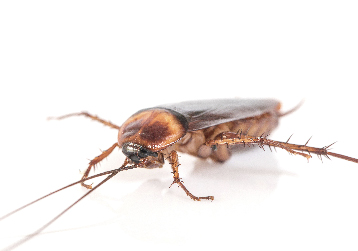
The American cockroach is about 1.2 inches long, the German and Asian cockroaches are about a ½ inch long and the Oriental cockroach is about ¾ inch long. Tropical varieties of cockroaches are often much bigger.
Cockroaches are the most common insect pests in the Northeast, infesting homes, food service establishments and other structures. They are large, omnivorous insects capable of transmitting disease, which in turn, can cause food poisoning. Cockroaches are also the second most common allergen for people, the first being house dust.
Cockroaches can establish themselves in an environment after being carried in with laundry or grocery bags, but these insects can also wander in from outdoors. Once cockroaches become established, they are prolific breeders that can produce several thousand offspring a year.
What do I look for?
- The presence of live or dead roaches
- Egg shell casings or “specks” (fecal pellets and regurgitated food)
- Pungent and oily odors
- Food products showing signs of pest activity
The smaller German cockroach is the most common variety found in homes and food establishments. Larger Oriental and American cockroaches prefer dark, damp areas such as basements, floor drains, crawl spaces and utility closets.
Request a Free Call Back
We’ll give a solution to your problem.
Bed Bugs
Bed bugs are six-legged nocturnal insects that feed on the blood of humans or warm-blooded animals. The most common bed bug, Cimex lectularius, is the species most adapted to living with humans.
Adult bed bugs are mahogany to red in color and are flat and oval-shaped. They grow no larger than ¼ inch. Immature bed bugs (nymphs) resemble the adults, but are smaller and somewhat lighter in color and can appear translucent.
Bed bugs can live inside mattresses, baseboards, box springs, headboards, and many other cracks and crevices around the house, and they can lay 200 to 500 eggs during their lifetime. They can also travel on or in clothing, shoes, bags, luggage and more which can cause a bed bug issue. Under normal room temperatures and with an adequate food supply, bed bugs will typically live up to a total of 316 days.
What do I look for?
When changing your bedding, look for signs that bed bugs are present:
- Tiny red splotches or stains
- Shell casings or fecal matter (dust-like particles)
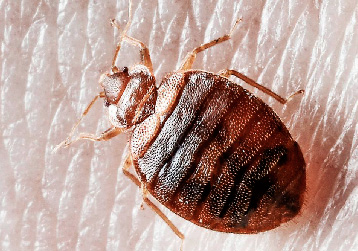
It is a common misperception that bed bugs are not visible to the naked eye. Mature bed bugs can be seen and identified — they are approximately the size of an apple seed.
Since bed bugs are nocturnal, another obvious warning sign would be suspicious bites that occurred at night.
Request a Free Call Back
We’ll give a solution to your problem.
Spiders
Spiders gain entry to your home through small cracks and openings around doors, windows and your home’s foundation. Remember, spiders feed on insects, so if they are attracted to your home, it could be a clear sign that you already have a pest problem.
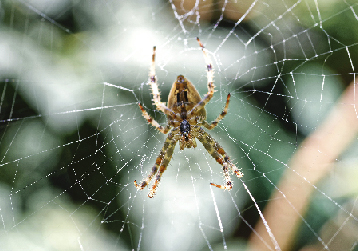
Typically, homeowners will first spot empty cobwebs in the corners of windows and rooms, or beneath fixtures and furniture. Spiders use their webs to trap insects for food. When prey make contact with the webs, vibrations signal to spiders that it’s time to eat. Aside from insects, they also devour other spiders and scorpions. These silken traps are abundant in infested homes and signal it’s time to contact a professional for spider control.
What do I look for?
- Spider Webs
Request a Free Call Back
We’ll give a solution to your problem.
Termites
Termites are social insects that live in underground colonies. A termite colony has 3 castes: workers, soldiers and winged “swarmers.”
During late winter or early spring, the winged swarmers emerge from the ground, attracted to light, and form large, dense groups to mate and start new colonies. While swarmers are not destructive, if they form a new colony, the resulting workers will feed on wood and can cause severe structural damage.
A colony’s king and queen can live for 10 to 30 years, while workers have a 2 year lifespan.
What do I look for?
- Visible signs of wood damage
- The presence of live or dead termites
- Evidence of nests, mounds and mud tubes (small tunnels)
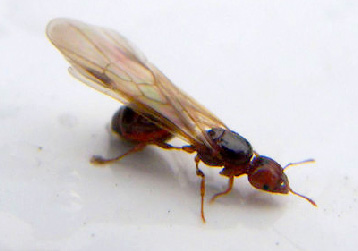
At first glance, termites can be confused with ants, since they are similar in size and appearance.
Termites generally inhabit the ground floor or basement/subterranean levels of a building.
If you observe termite-like pests on a higher level of a building, it is likely that you have a different type of pest problem.
Request a Free Call Back
We’ll give a solution to your problem.
Fleas
If you neglect to treat the pet’s environment (the premises), you will miss more than 90% of the developing flea population — the eggs, larvae and pupae. If the pet spends time indoors, the interior of the home should also be treated.
What do I look for?
Before treatment, the pet owner should:
- Clean and vacuum frequently.
- Keep your yard clean of garbage and pet droppings.
- Protect pets by keeping them on a leash when outside, give them lots of baths, give them
monthly flea and tick treatments and take them to the vet at least once a year to make sure
they haven’t been infested. If you are heading out to the woods, take the time to inspect your
pets when you return to avoid infestation.